Eco Warriors
Projects Sponsor

Delta Management Group is the leading sustainability, ESG and clean tech focused search firm in Canada. Delta is proud to have founded the Canada's Clean50 Award program in 2011, and has been the primary sponsor for the past 13 years.
Warehouse floors are where lots of waste gets sorted wrong, and most energy gets wasted, so this program recruited the people on the ground. Frontline associates became the program’s front line, trained through behavioural audits, leadership accountability checks, and a purpose- built decarbonization tool now used across every global warehouse site. More than 1,000 associates got involved, landfill diversion climbed past 96 percent, and lighting, HVAC and compressed-air upgrades trimmed electricity and gas use across Canadian operations. What started as a scrappy engagement campaign is now a repeatable operating model, proof that the biggest emissions wins sometimes start with more awareness and a little friendly competition.
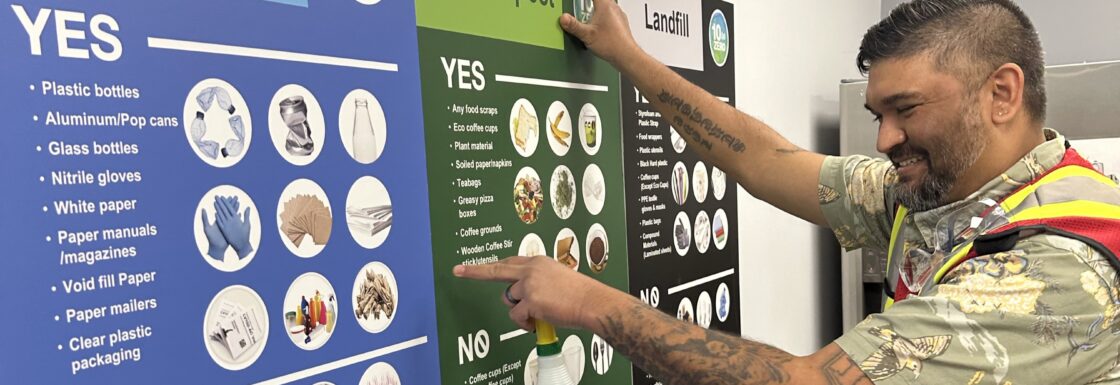
Ask an associate on Ingram Micro Canada’s warehouse floor in 2023 what “sustainability” meant to the company, and the honest answer was probably a shrug toward the recycling bin by the loading dock. Nobody was doing anything wrong; it was just likely the first time they had ever been asked.  Landfill diversion, electricity use, how a pallet got sorted- all of it got decided by whoever was standing there at the moment, not by a policy sitting in a binder upstairs. Eco Warriors began in 2023 as a simple associate engagement push and grew into a complete waste and energy management program built on behavioural audits, leadership accountability and hard emissions data.
The starting objectives were plain enough on paper: lift landfill diversion, cut electricity and natural gas use across Canadian warehouse operations, and build consistent measurement into routines that had previously run on instinct.
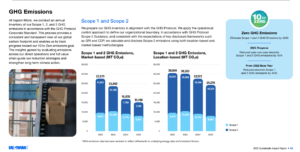 A review of internal diversion data, utility trends and contamination issues in the waste stream turned up two recurring truths. First, sustainability metrics only move when associates and frontline leaders are engaged in them, and second, none of it sticks without visible auditing and accountability behind it. This was the research that made the difference.
The rollout moved through five deliberate stages. First came the foundation: an Eco Warriors Committee, a cross-functional group of site volunteers, and annual targets for diversion, utility use and emissions. Next, waste diversion itself got an overhaul, refreshed bins and signage, a new organics stream, and audits that made each department accountable for its own numbers rather than the facility’s average. 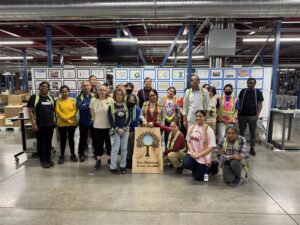 The third stage turned to people directly, building a recognition program for associates who caught problems early, introducing behavioural environmental observations modelled on safety programs, and tying sustainability performance to leadership reviews so it stopped being optional. Energy reduction came fourth with LED retrofits, retuned HVAC schedules, and adjustments to conveyor and compressed-air systems that had previously run at full tilt regardless of actual demand. The final stage was about making it last, using standardized audit tools, decarbonization action trackers, and practices strong enough to expand into broader North American and global operations.
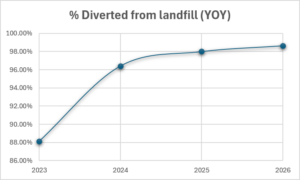 The results moved on every front the program touched. More than 1,000 associates across Canadian offices and warehouses were pulled into the effort, feeding a formal committee and volunteer network that keeps growing. Landfill diversion climbed past 96 percent across Canadian operations, the result of sorting behaviour changing at the source, not from a better hauling contract.
A Decarbonization Audit Tool built for this program has now been adopted at all of Ingram Micro’s global warehouse sites, turning a Canadian pilot into the company’s international standard for finding energy waste.
None of it arrived without resistance. Associates initially treated sustainability activities as extra work bolted onto their existing job, so the team leaned on recognition systems and team competitions to make participation visible and worth doing rather than one more mandatory training. A good share of the landfill contamination turned out to be habit rather than bad infrastructure, which meant awareness campaigns alone were never going to fix it; switching to behavioural coaching and observation, borrowed directly from how safety programs change behaviour on a floor, is what actually moved the diversion numbers. Data consistency was its own headache, since energy and diversion figures were tracked differently site to site, so the team standardized audits and reporting tools until performance became genuinely comparable across locations. Since no two warehouses share the same utility setup or building constraints, the program deliberately kept a common framework loose enough for each site to prioritize its highest-impact fix rather than forcing identical projects everywhere.
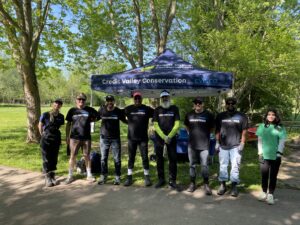 External partners filled in the gaps internal teams couldn’t close alone. GFL Environmental ran waste stream reviews and diversion analysis that shaped hauler decisions, building owners and utility partners tackled metering and HVAC optimization on the infrastructure side, and outside energy consultants brought technical rigour to the decarbonization assessments underpinning the whole tracking system.
Eco Warriors demonstrates, more than any single diversion percentage, that sustainability performance is a leadership and culture problem as much as an engineering one. The program never depended on exotic technology, but rather on recognition systems, audits and accountability layered onto routines a warehouse already runs. Any distribution centre, manufacturing site or office with leaders and associates willing to pay attention could pick up the same framework tomorrow. Sustainability, it turns out, scales best when it becomes everyone’s job.













