Scaling Conservation Technology: Why Governments Must Stop Standing in the Way
As biodiversity loss accelerates, Dr. Natalie Schmitt argues that conservation innovation is being slowed not by science, but by systems unprepared to deploy it. In Scaling Conservation Technology, she contends that tools like rapid, field-based DNA identification can transform enforcement and stewardship, yet lack clear validation and procurement pathways. Framing this gap as institutional rather than technical, Schmitt calls on governments to modernize approval, funding, and deployment frameworks so innovation can move from pilot to impact
I never imagined that trying to save wildlife would feel like this.
For years, I believed that if I built something powerful enough, a tool that could help protect the species we are losing and bring science into the hands of those on the front lines, the world would be ready to use it. I assumed governments and conservation agencies would welcome technologies that could help them act faster and more effectively. What I have learned instead is that invention is only half the battle. The other half, getting innovation safely and responsibly into the world, is where progress so often stalls.
Governments everywhere are making increasingly urgent commitments to halt biodiversity loss and end illegal wildlife trade, recognising that species collapse now poses global environmental, economic, and social risks. The European Parliament has called for an end to all illegal trade by 2030, while Canada has taken a leadership role in responding to the crisis facing endangered eel species, whose transcontinental life cycles make them a bellwether for the health of freshwater and marine ecosystems worldwide. These commitments reflect a growing awareness of the scale of the challenge, and the urgency of translating policy ambition into practical action.
Yet behind these commitments lies a deeper paradox. Many of the technologies that could help deliver on these goals struggle to move beyond pilot stages, not because they lack promise, but because existing systems were never designed to support their validation, adoption, and use.
The Paradox of Innovation in Conservation
Unlike most start ups, conservation innovators operate in a space with no clear market, no defined regulatory pathway, and limited access to capital. Technologies must function in some of the world’s most challenging environments, from remote landscapes to field stations and border crossings, while remaining affordable, intuitive, and reliable for non specialist users.
At the same time, conservation technology sits awkwardly between sectors. It is neither traditional environmental monitoring nor human health innovation, and as a result often falls between funding mechanisms, regulatory frameworks, and institutional mandates. While governments invest heavily in climate and medical technologies, tools designed to protect biodiversity frequently struggle to progress beyond the prototype stage.
A New Kind of Science for the Field
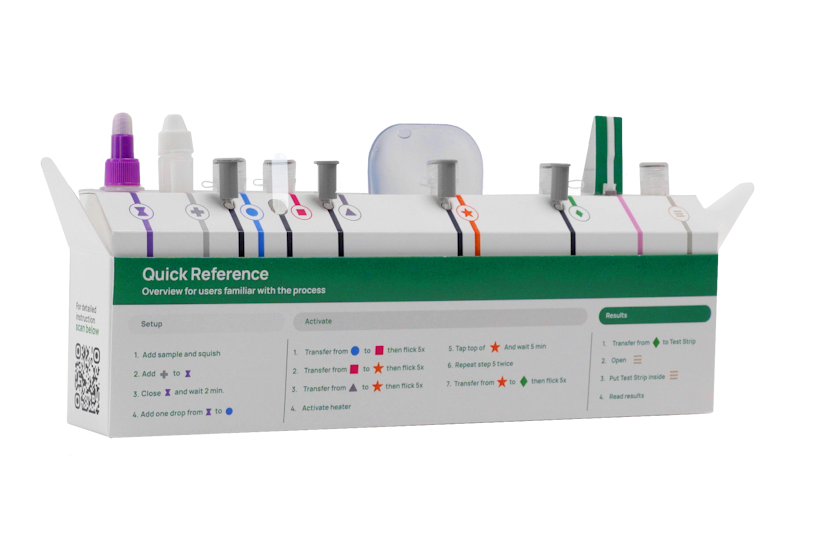
WildTechDNA was developed to help close this gap by bringing genetic science out of the laboratory and into real world decision making. Our platform enables species identification directly from environmental or biological samples, such as water, scales, feathers, or trace material, in under twenty minutes, without the need for laboratory infrastructure, cold storage, or specialist training.
What once required weeks of laboratory analysis can now be done directly at the point of action. Although originally developed for conservation, this approach has relevance across a wide range of applications, from wildlife monitoring and fisheries authentication to invasive species detection and public health surveillance.
The broader significance of this shift is not the technology itself, but what it makes possible, reducing the distance between evidence and action.
A Case Study: The Global Eel Crisis
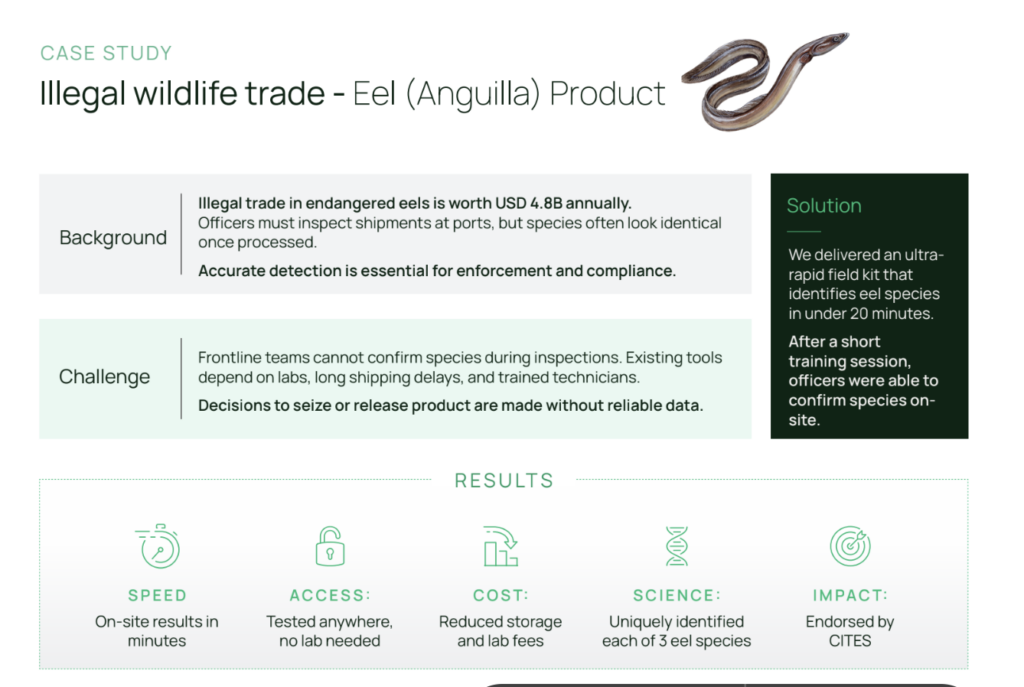
Recent trials by the Canadian government and by researchers in Japan demonstrated that rapid, field based DNA identification of endangered eel species is technically feasible. These trials also highlighted a deeper challenge. Despite strong interest and good intent, existing systems lack clear, fit for purpose pathways to evaluate, validate, and deploy emerging conservation technologies in operational settings.
Even when early results are promising, innovators are often left navigating fragmented regulatory expectations, unclear validation requirements, and limited support for independent testing. The challenge is no longer whether the science can work, but whether our institutions are structured to help it move forward responsibly.
This gap is not unique to eels. It is symptomatic of a broader disconnect between conservation ambition and the practical tools needed to achieve it.
The Systemic Problem
Across Canada and globally, there is no coherent pathway for conservation technologies to move from development to deployment. Innovation systems are largely designed around consumer products or human health diagnostics, not tools that sit at the intersection of science, enforcement, ecology, and Indigenous stewardship.
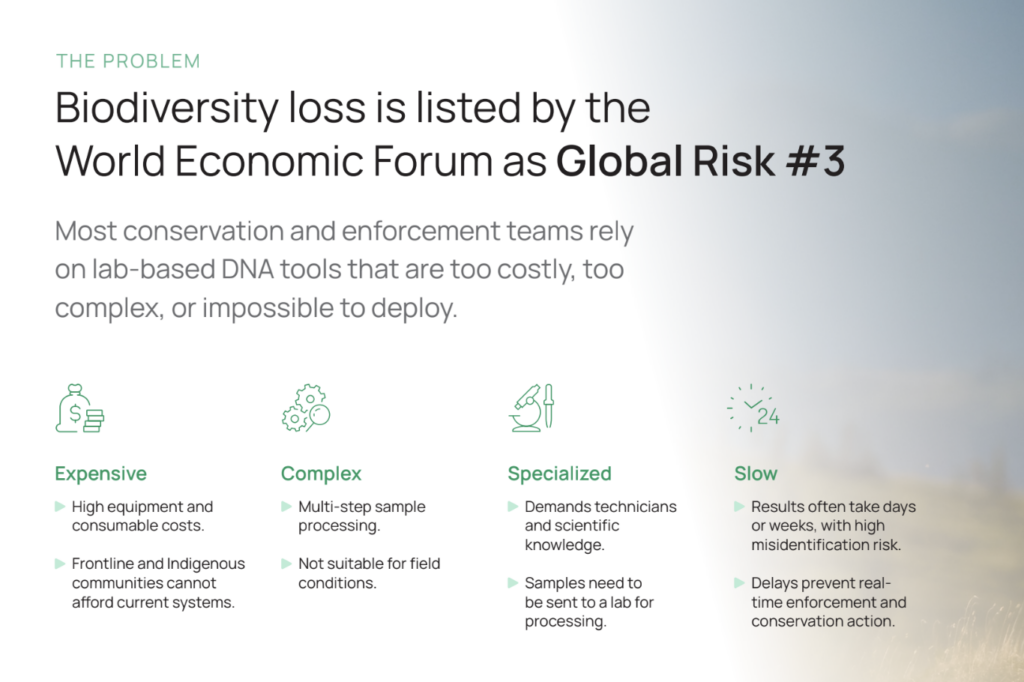
As a result, testing a conservation technology often requires working within approval and procurement processes designed for academic research or enforcement activities rather than for practical field trials. Innovators must rely on partners who lack access to dedicated innovation funding, and attempt to validate performance using laboratory frameworks that are ill suited to real world operating conditions.
In practice, these barriers often arise from well intentioned safeguards rather than resistance to innovation. Procurement and conflict of interest rules can limit the ability of public agencies to support early validation work with emerging technologies developed by for profit companies, even when those tools are intended for public good use. This can prevent innovators from accessing the samples, data, or operational support needed to test and refine technologies within the very contexts they are designed for.
At the same time, the time and complexity involved in securing permissions to access or move biological samples, including international approvals, can make local or regional testing impractical. In some cases, innovators are forced to seek validation opportunities elsewhere, increasing costs and slowing progress in ways that existing innovation systems rarely account for.
This misalignment slows progress not because of resistance or negligence, but because the systems we rely on have not yet evolved to match the challenges we face.
Why It Matters
The consequences of this gap are significant. Without accessible and validated tools, enforcement agencies struggle to act on illegal wildlife trade. Indigenous Guardians lack practical technologies to monitor species of cultural significance. Conservation scientists lose precious time as species decline faster than data can be gathered.
Each delay widens the gap between political commitments and real world capacity. Biodiversity loss does not pause while validation pathways catch up!
The Way Forward
Governments have an opportunity to change this trajectory. By creating clear, accelerated validation pathways for conservation technologies, funding independent field testing, and integrating proven tools into enforcement and stewardship programmes, they can turn innovation into real, on-the-ground impact.
A Personal Reflection
Building WildTechDNA has been the hardest thing I have ever done, not because the science was impossible, but because the system was not ready for it. I have seen how bureaucracy, silos, and inertia can crush momentum even when solutions already exist.
But I have also seen the power of persistence, of scientists, Indigenous partners, and governments who are beginning to listen. Every time a customs officer or Guardian uses one of our tests, I am reminded why we began: because life itself depends on our ability to act faster than extinction.
Conservation technologists are doing their part. Now it is time for governments to do theirs.